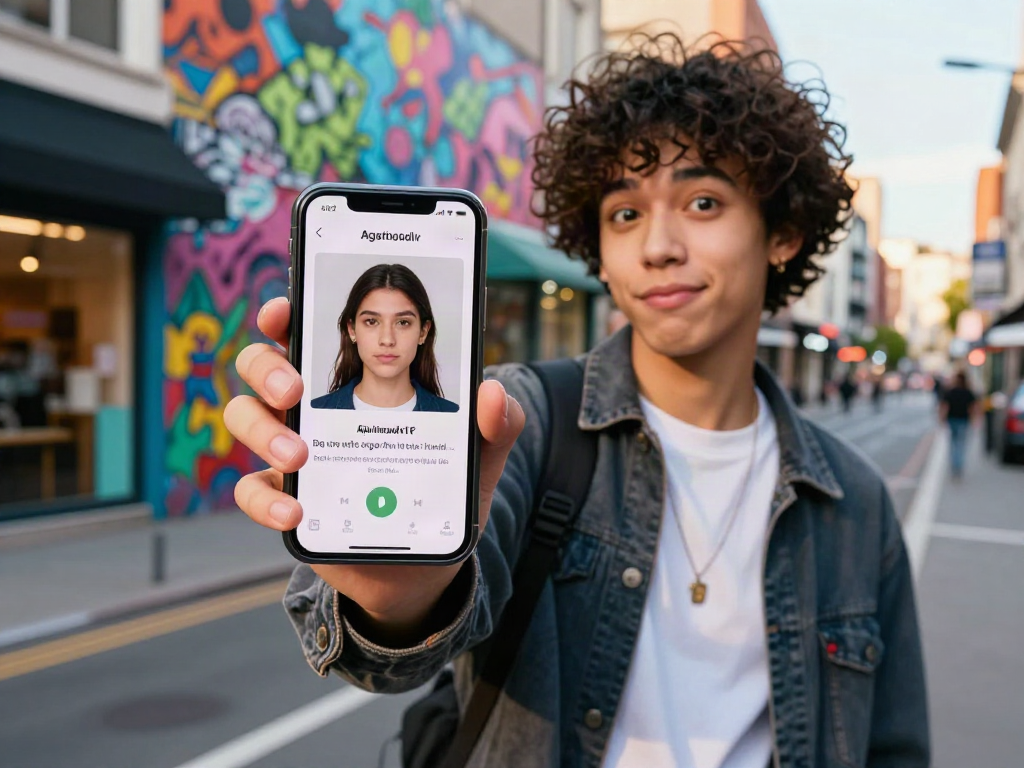
Understanding the Concept of Facial Age Estimation
The desire to understand one's perceived age is a longstanding curiosity for many individuals. The phrase “how old do I look” encapsulates this quest, inviting engagement with advanced technologies designed to provide insights into facial aging. In an era where visual appearances often influence social interactions and self-perception, age estimation tools have surged in popularity, leveraging artificial intelligence and facial recognition technology to yield results that can be both surprising and enlightening. These applications allow users to upload images and receive an estimated age based on their facial features, providing a fun and sometimes eye-opening experience. When exploring options, how old do I look offers comprehensive insights into this journey into visual self-discovery.
What Does "How Old Do I Look" Mean?
The phrase "how old do I look" is often accompanied by a blend of self-reflection and amusement. It reflects one’s curiosity about societal perceptions of age, a subject deeply ingrained in cultural norms. Individuals may ask this question to validate their youthful appearance or, conversely, to understand how their features align with their actual age. Age estimation tools interpret facial characteristics such as skin texture, wrinkles, and other distinguishing features to present an age-related analysis. This process provides an opportunity for introspection and discussion regarding beauty standards and aging perceptions in modern society.
The Science Behind Facial Recognition Technology
Facial recognition technology underpins most facial age estimation tools, utilizing algorithms that analyze various facial markers. These markers may include:
- Skin elasticity: As people age, collagen production decreases, affecting skin firmness.
- Wrinkle patterns: The presence and depth of wrinkles give significant clues about age.
- Facial volume: Loss of volume in areas such as cheeks or under the eyes can indicate aging.
- Skin tone: Changes in pigmentation or texture can also affect perceived age.
Machine learning models trained on vast datasets of facial images enable these tools to predict age more accurately. These models learn to correlate visual data with biological age, continuously evolving their algorithms to improve precision.
Popular Apps and Websites: An Overview
The market offers a variety of platforms aimed at helping users discover how old they appear through innovative technology. Some notable applications include:
- FaceAge.ai: An AI-driven platform providing results based on advanced algorithms.
- Fotor: A user-friendly tool that requires no download, accessible directly via web browsers.
- BeautyPlus: An app that combines beauty editing features with age estimation.
- Longevity Germany: Focuses on holistic health, integrating age estimation with lifestyle advice.
These platforms not only serve as a source of entertainment but also offer insights into the aging process, enhancing user engagement.
Comparing Top Platforms for Age Estimation
How Old Do I Look: Features and Benefits
The "How Old Do I Look" app stands out in its simplicity and user engagement. Users can upload a photo and receive instant feedback on their estimated age. Some features include:
- No signup required: Users can access the tool without creating an account, promoting accessibility.
- User-friendly interface: The app is designed for seamless navigation, enhancing the overall experience.
- Instant results: The quick turnaround time keeps users engaged and curious.
This straightforward approach appeals to those looking for a lighthearted experience, allowing them to share results on social media platforms and engage in discussions about appearance and age perception.
FaceAge.ai: Innovations and Capabilities
FaceAge.ai takes a more scientific approach to age estimation. Its innovative technology utilizes deep learning algorithms to analyze user facial images, providing detailed reports on different age-related factors. Key features include:
- Detailed analysis: Users receive comprehensive insights into factors contributing to their perceived age.
- Privacy-centric: The platform emphasizes user confidentiality, ensuring that uploaded images are processed securely.
- Regular updates: FaceAge.ai frequently updates its algorithms based on new research, enhancing accuracy over time.
Such capabilities position FaceAge.ai as a robust option for users desiring a deeper understanding of facial aging.
Fotor and Competitors: A Quick Comparison
With numerous options available, comparing features can help users select the best tool. In a nutshell:
PlatformFeaturesCostHow Old Do I LookInstant feedback, no signupFreeFaceAge.aiIn-depth analysis, secure processingFreeFotorUser-friendly, no downloadFree with ads
This comparison highlights that while free options are abundant, the choice often depends on individual user preferences regarding privacy, depth of analysis, and ease of use.
Evaluating User Experience and Engagement
User Reviews and Satisfaction: What Are They Saying?
User feedback is essential in evaluating these platforms. Reviews often highlight:
- Entertainment factor: Many users appreciate the fun aspect of age estimation tools.
- Accuracy: Depending on the platform, some users report surprisingly accurate age estimates, while others note discrepancies.
- Ease of use: A common theme in positive reviews is the simplicity of the user interface.
These insights provide valuable guidance for potential users evaluating their options in the crowded age estimation market.
Interface Usability: Navigating the Age Estimation Apps
A well-designed interface can significantly enhance user experience. Here are some usability highlights:
- Intuitive layout: Users often favor applications where the process to upload images and receive results is straightforward.
- Visual appeal: Attractive design elements can encourage continued engagement with the platform.
- Mobile compatibility: Many users prefer apps that are easy to use on mobile devices, given the increasing use of smartphones for such tools.
Applications that excel in these areas tend to receive higher satisfaction ratings from users.
Community Feedback: The Role of Social Media
Social media plays a pivotal role in fostering community engagement around age estimation apps. Platforms like Instagram and TikTok are often filled with users sharing age estimation results:
- Challenges and trends: Users might initiate viral challenges around sharing their perceived age.
- Reviews and testimonials: Social media provides real-time feedback on user experience, influencing new users' decisions.
- Engagement through sharing: The potential to compare results with friends adds a layer of interaction and enjoyment.
This organic community-building dynamic enhances the visibility and appeal of these applications.
Challenges and Limitations in Age Estimation Technology
Common Issues Users Face
While age estimation technology has advanced significantly, some challenges persist, such as:
- Inconsistency: Users may find varying results across different platforms, leading to confusion.
- Technological limitations: Not all algorithms are equally effective, and some may struggle with diverse facial features.
- User errors: Misleading results may arise from poor-quality images or improper lighting during uploads.
These issues can detract from the experience, so users should approach results with a discerning mindset.
Privacy and Data Security Concerns
As with any application that collects personal data, privacy and data security are paramount concerns. Users should be aware of the following:
- Data handling policies: Understanding how platforms store and use uploaded images is critical.
- Transparency: Users favor applications that clearly communicate their data handling practices.
- Security measures: Robust security protocols are essential to protect users from data breaches.
These factors should be evaluated meticulously to ensure an enjoyable and safe experience with age estimation tools.
Misconceptions Around AI Accuracy
Despite the sophistication of AI algorithms, misconceptions about their accuracy abound. Many users mistakenly believe that these tools provide definitive answers about age. However:
- Variability: Factors such as facial structure, makeup, and even lighting conditions can significantly impact results.
- Subjectivity: Age perception can vary widely among different individuals, complicating the matter further.
- Continuous improvement: AI remains a developing field, which means that accuracy is expected to improve over time, but current technologies still have their limitations.
Understanding these nuances can help users set realistic expectations when using these tools.
Future Trends in Age Estimation Technology
Predictions for AI Development by 2026
The field of facial recognition and age estimation technology is rapidly evolving. Experts predict several advancements by 2026, including:
- Enhanced Algorithms: Ongoing improvement in machine learning models will likely lead to greater accuracy and personalization.
- Cross-platform functionality: More platforms may integrate features, allowing users to access a seamless experience across devices.
- Integration with lifestyle apps: Age estimation tools may begin to incorporate health and wellness advice based on perceived age.
These trends will likely shift user expectations and enhance the value of such technologies.
Emerging Technologies and Their Impact
Advancements in related fields, such as augmented reality (AR) and virtual reality (VR), may also play a role in how we perceive age estimation technology:
- Real-time aging simulations: Users could experience live aging simulations, providing insights into how their features may change over time.
- Personalized aging profiles: The integration of health data may allow for more tailored age estimates, reflective of overall wellness.
- Gamification: Incorporating game-like elements may enhance user engagement and interest.
These emerging technologies have the potential to reshape the landscape of age estimation tools significantly.
How AI Will Shape Personal Beauty and Self-Perception
The influence of AI on personal beauty standards and self-perception cannot be understated. As individuals gain access to age estimation tools, the following shifts may occur:
- Increased awareness: Users may become more conscious of their skin health, leading to proactive self-care behaviors.
- Redefining beauty norms: With a more data-driven understanding of age, societal perceptions of aging may shift, promoting a broader acceptance of natural aging.
- Engagement in discussions: As users share experiences and results, collective dialogues surrounding beauty and aging may flourish.
Ultimately, AI has the potential to not just dictate perceptions of age, but to foster a more profound appreciation of beauty in all its forms.
What is the most accurate app for age estimation?
The accuracy of age estimation apps can vary considerably. Research suggests that those that utilize advanced machine learning, like FaceAge.ai, tend to provide more reliable results due to their reliance on extensive datasets and continual learning algorithms.
Can AI really guess my age accurately?
While AI can provide an estimate based on facial features, its accuracy is influenced by factors such as image quality and individual variations in appearance. It's important to remember that the results are approximations rather than definitive answers.
What should I look for in an age estimation tool?
Key elements to consider include user reviews, privacy policies, algorithm transparency, and the overall user experience. A tool that prioritizes data security and offers a straightforward interface is generally preferable.
How does privacy work with these applications?
Most applications should explicitly state their data handling policies, including how uploaded images are stored and used. Users should seek platforms that prioritize privacy and employ strong security measures.
Are there future trends in age estimation technology?
Future advancements may include enhanced algorithms, greater integration with health-related applications, and the potential incorporation of augmented reality for real-time age simulations, transforming how users interact with these tools.