
Commercial buildings depend on a reliable electricity supply to support daily operations, maintain comfortable environments, and provide essential services. Offices, hotels, shopping centers, and business facilities require continuous power for lighting, heating, cooling, security systems, and other critical operations.
With increasing energy costs and growing demand for efficient power solutions, many commercial buildings are adopting biogas generators. These systems provide dependable electricity while improving energy efficiency and supporting modern sustainability goals.
Understanding Gas Generators in Commercial Applications
Gas generators are power generation systems that convert gaseous fuels into electricity. They use advanced engine technology to produce reliable energy for different commercial needs.
Unlike traditional backup systems that only provide emergency power, modern gas generators can support both primary and standby energy requirements.
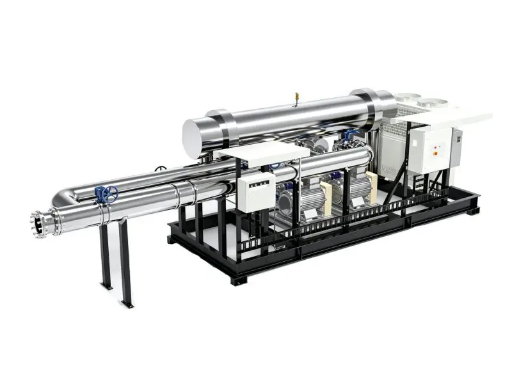
These systems can operate using different fuel sources, including natural gas and renewable gases. Technologies such as biogas generators allow facilities to produce electricity from renewable fuel sources created from organic materials.
Why Commercial Buildings Need Reliable Power
Electricity is essential for almost every function inside a commercial building. A power interruption can affect:
- Business operations
- Customer experience
- Security systems
- Heating and cooling equipment
- Communication networks
- Safety systems
A dependable generator system ensures that important operations continue without disruption, protecting businesses from unexpected downtime.
Benefits of Gas Generators for Commercial Buildings
Reliable Backup Power
One of the biggest advantages of gas generators is their ability to provide immediate power during outages.
Commercial buildings cannot always afford interruptions, especially facilities such as hotels, offices, healthcare centers, and retail properties. Gas generators provide a reliable backup solution that keeps essential systems running.
Improved Energy Efficiency
Energy efficiency is a major concern for commercial property owners. Traditional power systems may waste a significant amount of energy during electricity generation.
Advanced energy solutions such as biogas CHP improve efficiency by producing electricity and recovering useful heat from the same process.
This recovered heat can be used for:
- Building heating
- Hot water systems
- Facility processes
- Climate control applications
By using energy more effectively, commercial buildings can reduce waste and improve overall performance.
Lower Operating Costs
Energy expenses are a major part of commercial building management. Gas generators help reduce costs by allowing businesses to generate electricity on-site.
Benefits include:
- Reduced dependence on grid electricity
- Better energy control
- Lower energy waste
- Improved resource management
Over time, efficient power generation can create significant financial advantages.
Flexible Fuel Options
Commercial buildings have different energy requirements, and flexible fuel options make gas generators a practical choice.
Natural gas is commonly used because it provides stable performance and reliable availability. Renewable options are also becoming more popular.
Biogas generators allow businesses to convert organic waste into electricity, supporting sustainable energy practices while reducing waste management challenges.
Applications of Gas Generators in Commercial Buildings
Gas generators are suitable for many types of commercial properties, including:
Office Buildings
Offices require continuous electricity for computers, lighting, communication systems, and climate control. Gas generators help maintain productivity by ensuring a stable power supply.
Hotels and Hospitality Facilities
Hotels need reliable electricity for guest services, elevators, kitchens, security systems, and heating or cooling equipment. Generator systems help maintain service quality during power interruptions.
Shopping Centers
Retail properties depend on electricity for lighting, refrigeration, security, and customer services. Gas generators provide energy stability and help protect business operations.
Educational Facilities
Schools and universities require electricity for classrooms, laboratories, technology systems, and safety equipment. Reliable power solutions support uninterrupted learning environments.
Supporting Sustainable Building Goals
Modern commercial buildings are focusing more on sustainability and energy efficiency. Gas-powered solutions can support these objectives by improving fuel utilization and reducing energy waste.
Technologies like biogas CHP provide additional environmental advantages by using renewable fuel sources and making better use of available resources.
This helps buildings move toward greener and more responsible energy management.
Choosing the Right Gas Generator System
Selecting the right generator requires careful evaluation of building requirements. Important factors include:
- Electricity demand
- Operating hours
- Available fuel sources
- Maintenance requirements
- Future energy plans
A properly sized system ensures efficient performance and long-term reliability.
Building owners should consider both current needs and future expansion when investing in a power generation solution.
The Future of Gas Power in Commercial Buildings
As commercial buildings continue adopting smarter energy strategies, gas generators will remain an important part of modern power management.
Future systems will focus on:
- Higher efficiency
- Cleaner fuel options
- Smart monitoring technology
- Better integration with renewable energy
The combination of gas technology and renewable solutions will help create more efficient and sustainable commercial energy systems.
Conclusion
Gas generators are an ideal solution for commercial buildings because they provide reliable power, improve efficiency, and support flexible energy management. They help businesses maintain operations, reduce energy challenges, and prepare for future energy demands.
With advanced solutions such as biogas CHP and biogas generators, commercial facilities can achieve dependable electricity while moving toward a more sustainable and efficient energy future.