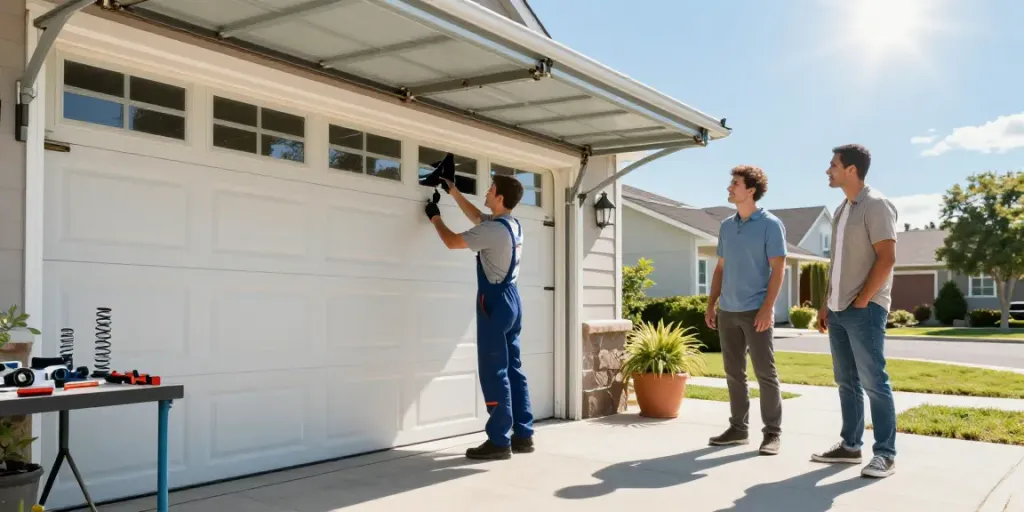
Understanding Broken Garage Doors
Garage doors serve a critical function in our homes, providing security and convenience. However, like any mechanical system, they can sometimes fail. A broken garage door can lead to both frustration and security concerns. Understanding the common causes, signs, and types of failures can help homeowners take timely action and avoid further complications.
What Causes a Broken Garage Door?
Several factors can contribute to a broken garage door. Frequent use can lead to wear and tear on components, especially springs and rollers. Extreme weather conditions, such as heavy rain or snow, can lead to rust and corrosion in metal parts. Also, improper installation or lack of maintenance can contribute to mechanical failures. It's important to ensure that your garage door undergoes regular inspections to catch potential problems early.
Signs Indicating Your Garage Door is Broken
- Unresponsive Door Controls: If your remote or wall switch fails to respond, it may signal an electrical issue.
- Strange Noises: Grinding, squeaking, or banging noises can indicate that parts are misaligned or failing.
- Door Doesn't Open or Close Properly: A door that hesitates or stops midway could have an issue with the springs or tracks.
- Visible Damage: Cracks or dents in the door itself or damaged hinges and rollers should not be ignored.
Common Types of Garage Door Failures
Some of the most frequent failures include:
- Broken Springs: These are often the primary reason for a malfunctioning garage door. Springs bear the weight of the door and can wear out over time.
- Misaligned Tracks: If the tracks are not aligned correctly, the door may get stuck or not open at all.
- Worn-Out Rollers: Rollers can degrade and hinder the smooth operation of the door.
- Electric Opener Malfunctions: Often the cause of control issues can be traced back to the opener itself.
The Importance of Timely Repairs
Addressing garage door issues promptly is vital to maintaining your home's security and functionality. Delaying repairs can worsen the problem, potentially leading to more extensive damage and higher repair costs. Numerous homeowners have experienced the inconvenience of a malfunctioning garage door, which can disrupt daily activities and leave their homes vulnerable to security risks.
Why Prompt Attention Matters
A garage door that operates inconsistently can pose a safety hazard. If the door falls unexpectedly, it could cause injury or further damage. Timely repairs prevent accidents and maintain the integrity of your garage door system.
Cost Implications of Delayed Repairs
Delaying necessary repairs can increase costs significantly. For instance, a broken spring that is not addressed may lead to additional wear on the garage door opener, resulting in a total replacement. Regular maintenance and prompt repairs are cost-effective measures that can save homeowners money in the long run.
Emergency Repairs: When to Call for Help?
Knowing when to seek emergency repairs is crucial. If your garage door are unable to open or close, or if it has become stuck in an open position, it’s essential to call a professional immediately. These situations can leave your home vulnerable and require immediate attention to ensure your property remains secure.
Choosing a Professional Garage Door Repair Service
Selecting the right repair technician is essential to ensure the job is done effectively. Look for a professional with experience and positive reviews, as this indicates reliability and skill. A technician should also be licensed and insured, providing peace of mind that they are qualified to handle the repair.
What to Look for in a Repair Technician
- Experience: Choose a technician who has extensive experience in repairing various types of garage doors.
- Customer Testimonials: Look for reviews and testimonials from previous customers to gauge satisfaction and reliability.
- Transparency: A good technician will provide clear pricing and explain any necessary repairs thoroughly.
Evaluating Repair Service Costs
Understanding repair costs can be tricky, as prices vary based on the type of work needed. Most reputable companies offer free estimates and will detail the costs involved before starting any repairs. Always ensure that you’re aware of any additional fees, such as call-out charges.
Customer Reviews and Recommendations
Prioritize companies that come highly recommended by friends or family. Checks reviews on their website or platforms like Google and Facebook can give you an insight into their service quality and reliability. A company with a solid reputation will often communicate openly and transparently with clients.
DIY vs. Professional Repairs: What You Need to Know
While many homeowners feel confident tackling small repairs themselves, it's important to know your limits. Complex repairs, especially those involving springs or electrical systems, are best left to professionals. DIY repairs can lead to further damage and safety issues if not handled correctly.
When Can You Fix It Yourself?
If you’re handy and familiar with basic tool use, there are minor adjustments you might be able to manage, such as lubricating moving parts or adjusting the opener settings. Always ensure you prioritize safety and consult your owner’s manual for guidance.
Tools and Materials for DIY Repairs
Basic tools you may need for minor repairs could include:
- Adjustable wrench
- Screwdrivers
- Lubricants
- Level for track alignment
Risks Associated with DIY Garage Door Repairs
While DIY may save money in the short term, the risks often outweigh the benefits. Improper repairs can result in further damage or personal injury. For instance, attempting to replace a broken spring without proper tools can lead to serious accidents.
Maintenance Tips to Prevent Future Breakdowns
Regular maintenance is essential for the longevity of your garage door. Implementing a maintenance schedule can prevent many common issues that lead to breakdowns.
Regular Inspections: What to Check
Schedule periodic inspections to evaluate essential components, including:
- Condition of springs
- Track alignment
- Roller and wheel condition
- Electrical components of the opener
Lubrication and Maintenance Practices
Lubricating moving parts every few months helps reduce wear and tear. Ensure you use the appropriate lubricant recommended for your garage door model to ensure optimal functionality.
Investing in Quality Parts for Longevity
When replacing parts, invest in high-quality components. Cheaper alternatives may save money initially, but they often lead to more frequent replacements and repairs down the line.
How to Extend Your Garage Door Lifespan
To extend the life of your garage door, ensure regular maintenance checks and promptly address any issues. Consistent care helps maintain its performance and minimizes the chances of unexpected breakdowns.
Frequently Asked Questions
As a homeowner, you might have several questions regarding garage door repairs. Here are some of the most common inquiries:
How Much Does It Cost to Fix a Broken Garage Door?
The cost varies greatly depending on the issue at hand. On average, minor repairs may range from $100 to $300, while more complex issues could exceed $600. It's advisable to obtain a quote from your repair technician.
Is a Broken Garage Door Considered an Emergency?
Yes, if your garage door cannot close or is stuck open, it poses a safety and security risk, and immediate repairs are warranted.
Does Homeowners Insurance Cover a Damaged Garage Door?
Coverage can vary by policy. Many homeowners insurance policies cover garage door repair due to specific perils, but it is best to consult directly with your insurance provider to understand your coverage.