
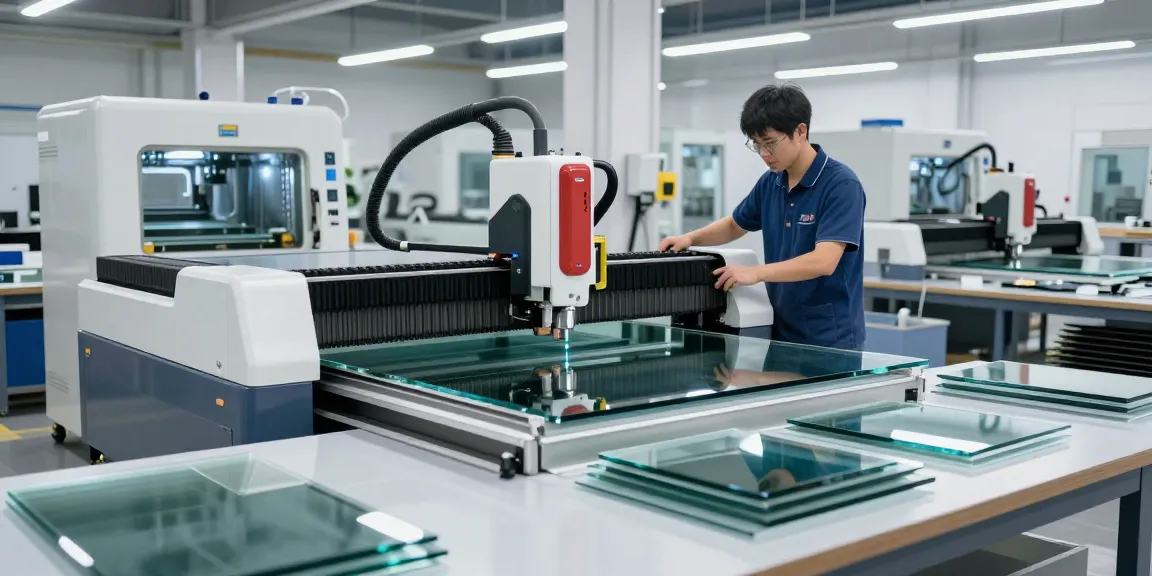
Understanding CNC Glass Cutting Machines
CNC glass cutting machines represent a significant advancement in the glass processing industry, offering precision, efficiency, and versatility. As technology continues to evolve, the demand for sophisticated cutting solutions has soared, especially in sectors like architecture, automotive, and furniture design, where glass is a primary material. These machines utilize computer numerical control (CNC) to automate the glass cutting process, enabling manufacturers to produce intricate designs with high accuracy, minimizing waste and enhancing productivity. When exploring options, cnc glass cutting machine solutions from manufacturers like Zhengke provide comprehensive insights into this technology.
What is a CNC Glass Cutting Machine?
A CNC glass cutting machine is an automated system that utilizes computer programming to control the glass cutting process. These machines are equipped with advanced software that allows operators to input specific cutting patterns and dimensions, ensuring that each cut is executed with utmost precision. Typically, CNC glass cutting machines can handle various types of glass, including tempered, laminated, and float glass, making them versatile assets in any glass processing facility.
Key Features and Benefits
- Precision Cutting: CNC technology ensures that every cut is accurate to the millimeter, reducing wastage and enhancing product quality.
- Automation: Automation allows for continuous production without the need for manual intervention, increasing operational efficiency.
- Customization: Programmable software allows for intricate and custom designs, catering to unique client specifications.
- Cost-Effectiveness: While initial investments might be high, the long-term savings from reduced waste and faster production times make CNC cutting economically viable.
Common Applications in Glass Processing
CNC glass cutting machines find applications across various industries, including:
- Architectural Glass: Used for cutting large panels for buildings and facades.
- Automotive Industry: Fabrication of windshield glass and side windows.
- Furniture Manufacturing: Creation of glass tabletops and decorative panels.
- Signage: Production of glass signage with intricate designs.
Choosing the Right CNC Glass Cutting Machine
With a variety of options available, selecting the right CNC glass cutting machine can be overwhelming. It’s important to assess specific needs and capabilities before making a decision. The following factors should be considered when purchasing:
Factors to Consider Before Purchase
- Cutting Capacity: Determine the maximum size of glass you plan to cut and ensure the machine can handle it.
- Type of Glass: Ensure the machine is compatible with the types of glass you intend to work with, whether laminated, tempered, or others.
- Software Compatibility: Check if the machine’s software integrates well with your existing design software.
- After-sales Support: Opt for manufacturers that provide robust technical support and maintenance services.
Top Brands and Models on the Market
Among the leading brands in the CNC glass cutting machine sector are:
- Zhengke: Known for its innovative solutions and reliability, offering a range of models tailored to different production needs.
- GLASSLINE: Offers a variety of CNC cutting machines with linear motors, ensuring high speed and accuracy.
- CMS Glass Machinery: Features automatic glass cutting tables for efficient glass processing.
Comparative Analysis of CNC Glass Cutters
When comparing different CNC glass cutting machines, consider the following criteria:
- Performance: Assess cutting speed and quality of edges produced.
- Ease of Use: Look for intuitive software interfaces that streamline the cutting process.
- Cost: Evaluate the purchase price against expected ROI based on production volume and efficiency gains.
Best Practices for Operating CNC Glass Cutting Machines
To maximize productivity and ensure safety, adhering to best practices for operating CNC glass cutting machines is crucial. Here are some guidelines:
Safety Measures and Protocols
- Protective Equipment: Always wear safety goggles and gloves when operating machinery.
- Training: Ensure all operators are adequately trained in machine operation and safety procedures.
- Regular Inspections: Conduct routine checks on machines to identify potential issues before they become major problems.
Maintenance Tips for Longevity
Proper maintenance can significantly extend the lifespan of your CNC glass cutting machine. Consider the following:
- Routine Cleaning: Keep the machine clean to avoid dust and debris buildup, which can affect performance.
- Lubrication: Regularly lubricate moving parts to reduce wear and tear.
- Software Updates: Keep the machine’s software updated to benefit from improvements and bug fixes.
Optimizing Operations for Efficiency
Efficiency can be enhanced through:
- Batch Processing: Cut multiple pieces of glass at once to save time.
- Material Optimization: Plan cuts to minimize waste and maximize material usage.
- Regular Performance Reviews: Analyze production data to identify bottlenecks and areas for improvement.
Challenges in CNC Glass Cutting
Despite the advantages, CNC glass cutting comes with its set of challenges.
Common Issues and Solutions
- Breakage: Employ proper settings and techniques to minimize the risk of glass breakage during cutting.
- Software Glitches: Ensure regular software updates and have technical support ready for quick troubleshooting.
- Material Variability: Adjust settings based on the type and thickness of glass to ensure optimal cuts.
Technical Limitations and How to Overcome Them
CNC machines may face limitations in cutting very thick or specialized glass. To overcome these:
- Invest in High-Performance Tools: Use specialized cutting tools designed for thicker glass.
- Consult with Experts: Work with technical experts to adjust machine parameters for challenging materials.
Future Innovations and Trends to Watch
As technology advances, several trends are emerging in the CNC glass cutting industry:
- Automation Enhancements: Increased automation through AI integration for predictive maintenance and optimized cutting.
- Improved Software Capabilities: More intuitive interfaces and enhanced design capabilities will come to the forefront.
- Eco-Friendly Practices: Focus on sustainable practices in glass manufacturing and processing.
Case Studies and Real-World Applications
Understanding how CNC glass cutting machines perform in real-world scenarios can provide valuable insights.
Success Stories from Glass Manufacturers
Numerous manufacturers have successfully integrated CNC technology into their operations, leading to:
- Increased Production Rates: Firms report up to 40% improvements in production speed.
- Enhanced Product Quality: Consistent cutting results improve overall product offerings.
Impact of CNC Technology on Production Quality
Industries that have adopted CNC glass cutting have observed:
- Reduced Waste: Higher cutting accuracy leads to less scrap material.
- Faster Turnaround Times: With automation, projects move from design to production swiftly.
Cost-Benefit Analysis: Is It Worth the Investment?
Conducting a thorough cost-benefit analysis before investing in CNC technology is crucial. Factors to consider include:
- Initial Investment vs. Long-term Savings: While upfront costs are significant, the savings from improved efficiency can justify the expenditure.
- Increased Market Competitiveness: Enhanced capabilities allow businesses to take on more complex projects, attracting a broader clientele.
Frequently Asked Questions
What are the main benefits of using a CNC glass cutting machine?
The primary benefits include increased precision, reduced waste, improved efficiency, and the capability to produce complex designs quickly.
How does CNC technology enhance glass cutting precision?
CNC technology uses computer programming to execute cuts with pinpoint accuracy, significantly reducing human error and variability.
What should I look for when purchasing a CNC glass cutting machine?
Consider cutting capacity, type of glass compatibility, ease of use, brand reputation, and after-sales service.
How to maintain a CNC glass cutting machine for optimal performance?
Regular cleaning, lubrication, software updates, and adherence to safety protocols are vital for maintaining performance.
What are the emerging trends in CNC glass cutting technology for 2026?
Expect innovations in AI integration, enhanced automation capabilities, and a strong focus on eco-friendly glass processing solutions.