
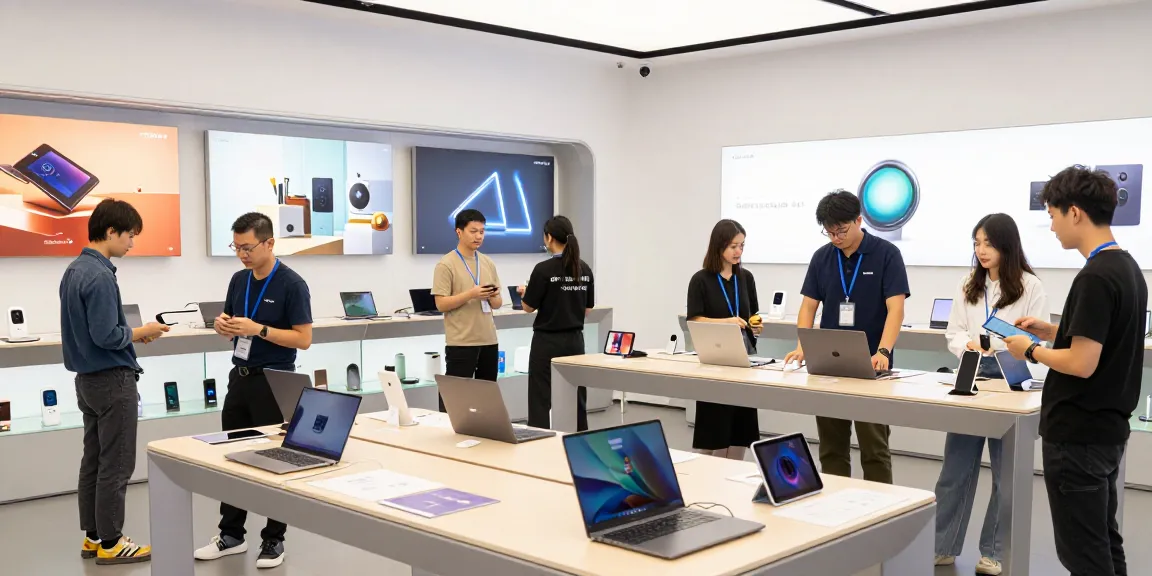
The Rise of NAGA2000 in Consumer Electronics
The NAGA2000 technology is making waves across the consumer electronics landscape, becoming a vital part of modern devices that prioritize efficiency, speed, and user experience. As we delve into this revolutionary technology, we will explore its impact on various sectors, key consumer insights, and the challenges it faces in widespread adoption. When exploring options, NAGA2000 provides comprehensive insights into how it reshapes the consumer electronics market.
Understanding NAGA2000 and Its Impact on Technology
NAGA2000 stands at the forefront of technological advancement. It is designed to optimize processing power and enhance connectivity in consumer devices. This technology empowers gadgets to manage data more efficiently, facilitating faster response times and smoother user experiences. By integrating NAGA2000, manufacturers can produce devices that not only perform better but also offer innovative functionalities, such as intelligent automation and improved energy consumption.
Key Trends Influencing NAGA2000 Adoption
The rise of smart homes, IoT devices, and artificial intelligence is significantly driving the adoption of NAGA2000. As consumers increasingly demand technology that integrates seamlessly into their lives, the need for advanced systems that can support these demands has never been greater. Trends such as remote work and digital communication tools further showcase the importance of reliable and fast technology, creating an ideal environment for the NAGA2000 to thrive.
NAGA2000 and Consumer Behavior
Shifting Preferences: How NAGA2000 is Changing Buying Habits
Today’s consumers are more informed than ever, frequently seeking out technology that enhances their daily activities. With NAGA2000 technology embedded in devices, there’s a noticeable shift in buying habits; consumers are prioritizing products that offer superior performance and integrated functionalities. This shift has led to an increased market demand for devices featuring NAGA2000, encouraging manufacturers to innovate continually.
The Demographics Behind NAGA2000 Adoption
Understanding the demographics that gravitate towards NAGA2000 technology helps organizations tailor their marketing strategies effectively. Primarily, tech-savvy millennials and Gen Z consumers are leading the charge, as they value cutting-edge technology that delivers efficiency and innovation. Moreover, business professionals who rely on high-performance devices for productivity are also key demographics driving NAGA2000 adoption.
Case Studies: Successful NAGA2000 Implementations
Several brands are leveraging NAGA2000 to enhance their offerings significantly. For instance, leading smartphone manufacturers have integrated NAGA2000 to improve processing speeds, which allows for a more fluid user interface and advanced capabilities such as augmented reality. Another case can be seen in home automation systems which utilize NAGA2000 for real-time monitoring and control, greatly improving user satisfaction and engagement.
Challenges in Implementing NAGA2000
Common Obstacles Consumers Face with NAGA2000
Despite its advantages, the adoption of NAGA2000 does not come without challenges. Some consumers face hurdles such as high initial costs and lack of understanding regarding the technology’s benefits. Additionally, older devices may not be compatible with NAGA2000, which can deter users from upgrading.
Technical Limitations of NAGA2000
As with any technology, NAGA2000 has technical limitations that can impact its effectiveness. Issues such as signal interference, limited range, and complexity in integrating with existing systems are common concerns. Manufacturers must address these limitations to enhance customer confidence and satisfaction.
Addressing Misconceptions Around NAGA2000
Misconceptions can also hinder the acceptance of NAGA2000. Some consumers may perceive it as a luxury rather than a necessity or might have concerns about its security implications. Educating the public about the real-world applications and benefits of NAGA2000 is essential for increasing its acceptance and use in everyday life.
The Future of NAGA2000 in Electronics
Predictions for NAGA2000’s Evolution by 2026
Looking towards the future, industry experts predict that NAGA2000 will evolve to support even more advanced applications. By 2026, we may see significant improvements in its performance, including enhanced processing speeds and reduced latency. This evolution will allow for new functionalities in consumer electronics, potentially introducing groundbreaking applications we cannot yet envision.
Innovative Applications of NAGA2000 in Gadgets
As NAGA2000 technology matures, we can expect innovative applications across various gadgets. Smartwatches may utilize NAGA2000 to improve health-monitoring features, while home security systems could leverage it for more effective data processing and threat detection. Such advancements will likely redefine functionality and consumer expectations.
Expert Opinions on the Longevity of NAGA2000
Industry analysts generally view NAGA2000 as a robust framework that will continue to adapt to future technological advancements. Its flexibility and scalability are major advantages, positioning it to withstand the rapidly changing landscape of consumer electronics. Experts believe that as long as NAGA2000 keeps evolving, it will maintain relevance in the market.
Maximizing the Value of NAGA2000
Strategies for Consumers to Leverage NAGA2000
To maximize the value of NAGA2000 technology, consumers should invest in devices that integrate this advanced framework effectively. Understanding how to use these devices to their full potential can lead to a significantly enhanced user experience. Regular updates and familiarity with product features can help users leverage NAGA2000 for optimal performance.
Measuring Success: KPIs for NAGA2000 Implementation
When organizations implement NAGA2000, measuring success is crucial. Key performance indicators (KPIs) could include performance metrics such as processing speed improvements, user satisfaction ratings, and the rate of adoption among consumers. By continuously evaluating these KPIs, businesses can strategize better and refine their approaches.
Future-Proofing: Adapting to NAGA2000 Advances
As the landscape evolves, future-proofing is vital for consumers and businesses alike. Staying informed about advancements in NAGA2000 and related technologies is key to adapting successfully. Engaging with communities, following industry trends, and continually upgrading capabilities can help ensure that users remain at the forefront of technological innovation.
What is NAGA2000 and How Does It Work?
NAGA2000 is a next-generation technology designed to enhance the efficiency and functionality of consumer electronics. By optimizing resource allocation and improving connectivity, it enables devices to perform tasks faster and with greater reliability. Its architecture is tailored to meet the demands of modern applications, making it a pivotal development in the tech industry.
How is NAGA2000 Different from Other Technologies?
NAGA2000 distinguishes itself from previous technologies through its focus on interoperability and scalability. Unlike older frameworks that may struggle with connectivity and processing times, NAGA2000 is built to integrate seamlessly with diverse systems while ensuring top-tier performance. This sets it apart as a future-ready solution for evolving consumer needs.
What are the Best Gadgets Featuring NAGA2000?
Many leading gadgets are now incorporating NAGA2000 technology, showcasing its versatility. Some notable examples include high-end smartphones designed for gaming and productivity, smart home devices that require sophisticated automation, and wearable tech emphasizing health-monitoring features. These innovations highlight the transformative impact of NAGA2000 in enhancing user experiences across different platforms.