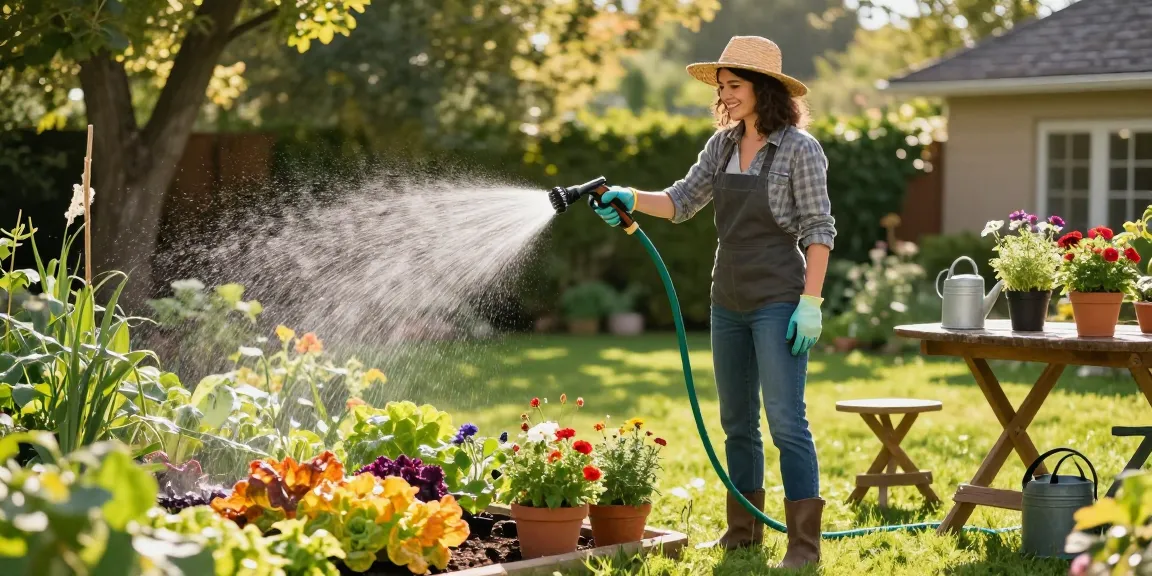
Using the best hose nozzle to water vibrant plants in a sunny garden scene.

5 Hard Truths About the Best Hose Nozzle in 2026

Understanding the Best Hose Nozzle for Your Garden

Choosing the right hose nozzle might seem like a simple task, yet it can significantly influence the efficiency of your gardening and landscaping efforts. With a range of options available—from basic models to advanced, multifunctional designs—it is essential to understand what makes a hose nozzle truly stand out. Whether you are an avid gardener or a casual homeowner looking to enhance your outdoor space, having the best hose nozzle can transform how you manage watering tasks.

What Makes a Hose Nozzle Stand Out?

The ideal hose nozzle blends usability, durability, and functionality. Key features to consider include:

  • Adjustable Spray Patterns: A versatile nozzle should offer multiple spray patterns, from a gentle mist for delicate seedlings to a strong jet for cleaning tasks.
  • Ergonomic Design: Comfort is crucial; a well-designed handle can prevent strain during prolonged use.
  • Durability: Look for materials that can withstand the elements, such as metal or high-grade plastics, ensuring longevity.

Material Types: Which Is Best?

The material of a hose nozzle can impact both performance and lifespan. Common materials include:

  • Plastic: Lightweight and economical, but often less durable than metal. Ideal for light use.
  • Metal: Usually more robust and long-lasting; however, they may be heavier, which can be a disadvantage for some users.
  • Rubber Coating: Many high-end nozzles feature rubberized grips that enhance comfort and prevent slipping.

Common Mistakes When Choosing a Hose Nozzle

Even seasoned gardeners can make mistakes when selecting a hose nozzle. Here are some pitfalls to avoid:

Overlooking Functionality Features

Many users focus solely on price, ignoring essential features that improve usability, such as:

  • Flow Control: Look for nozzles with adjustable flow settings for greater watering precision.
  • Locking Mechanism: A nozzle with a locking feature can help avoid hand fatigue by allowing for continuous spraying without holding down the trigger.

Ignoring Ergonomics and Handling

An ergonomic design can make a significant difference, especially during extended watering sessions. Pay attention to the following:

  • Handle shape and grip material
  • Weight distribution and balance

Choosing the Wrong Size and Connection Type

Ensure that the hose nozzle fits your garden hose correctly. Most hoses use a standard 3/4-inch connection, but some nozzles may require adaptors. Additionally, consider:

  • Compatibility with various connectors
  • Size of the nozzle in relation to the intended job

Best Practices for Using Your Hose Nozzle Effectively

Maximizing the efficacy of your hose nozzle requires some best practices that can save time, water, and ensure healthy plants.

Maintenance Tips for Longevity

Keep your nozzle functioning smoothly by following these maintenance tips:

  • Regularly clean the nozzle to prevent clogging.
  • Store indoors during extreme weather to prevent damage from freezing or UV exposure.

Watering Techniques: Timing and Patterns

Adapting your watering schedule to the specific needs of your plants can lead to healthier growth. Here are some tips:

  • Water in the early morning to reduce evaporation.
  • Adjust spray patterns according to the plant’s needs.

How to Adjust Settings for Varied Plants

Different plants require different watering techniques. Use your nozzle’s versatility to tailor watering strategies:

  • Use a fine mist for seedlings and delicate plants.
  • Switch to a stronger spray for established foliage and lawns.

Real-World Applications of the Best Hose Nozzle

Understanding how different nozzles perform in various gardening scenarios can help you make informed choices.

Case Studies: Transforming Gardens with Smart Watering

Many gardeners have found that using advanced hose nozzles has revolutionized their gardening experience. For instance:

  • A community garden implemented nozzles with adjustable settings, allowing volunteers to cater to a diverse range of plants.
  • A homeowner integrated smart nozzles that sync with weather forecasts to optimize their watering schedules and conserve water.

How the Best Hose Nozzle Saves Water

Efficient watering methods can drastically reduce water waste. Smart nozzles offer features that contribute to this goal:

  • Timers that schedule watering sessions based on real-time data.
  • Moisture sensors that ensure plants get the right amount of water without oversaturation.

Combining Technology with Traditional Gardening

Innovative nozzles bridge the gap between modern technology and traditional gardening. These advancements include:

  • Remote control options for convenient watering.
  • Smart functionalities that adapt to environmental changes, ensuring optimal plant health.

Future Trends in Hose Nozzle Technology for 2026

The industry is rapidly evolving with new technological advancements making hose nozzles smarter and more efficient. Here’s what to expect:

Innovative Features to Look Out For

The coming years will likely see the incorporation of features such as:

  • Bluetooth connectivity for easier control via smartphone apps.
  • AI-powered irrigation systems that analyze plant health and adjust watering needs accordingly.

Eco-Friendly Options and Sustainability

As environmental considerations become more pressing, manufacturers are expected to prioritize:

  • Recyclable materials in nozzle construction.
  • Water-efficient designs that minimize waste while maximizing plant health.

The Rising Role of Smart Technology in Gardening

Smart technology is becoming integral to gardening. Advancements to watch include:

  • Integration of nozzles with smart home systems for automated scheduling.
  • Real-time weather updates to inform irrigation decisions.

What Is the Best Hose Nozzle for Indoor Gardening?

Indoor gardening presents unique challenges. Ideal nozzles for this setting should be lightweight and feature adjustable spray patterns that suit various indoor plants. Consider nozzles with mist settings for delicate houseplants and stronger sprays for bigger pots.

Can a Hose Nozzle Really Reduce Water Waste?

Absolutely. By providing control over water flow and coverage, high-quality nozzles can significantly decrease the amount of water used. Features like adjustable flow and moisture detection make it easier to provide just the right amount of water.

Are There Specialized Nozzles for Different Plants?

Yes, many manufacturers offer specialized nozzles tailored to specific plant needs. For example, some nozzles designed for delicate flowers provide a gentle mist, while others suitable for gardens might offer a broader coverage spray.

How Do I Choose Between Fixed and Adjustable Nozzles?

Your choice should be guided by your watering tasks. Fixed nozzles are great for consistent duties (like watering lawns), while adjustable nozzles are more versatile for varied gardening tasks and can handle different types of plants.

What Are the Best Hose Nozzles for Children to Use?

For children, lightweight nozzles with simple mechanisms are ideal. Look for those that are easy to grip and operate without excessive force, encouraging kids to help with garden maintenance.

What Should I Look for in a Professional-Grade Hose Nozzle?

Consider features like durability, multiple spray settings, rust resistance, and ease of use when selecting a nozzle for professional use. These nozzles should endure heavy usage while providing versatility for various tasks.
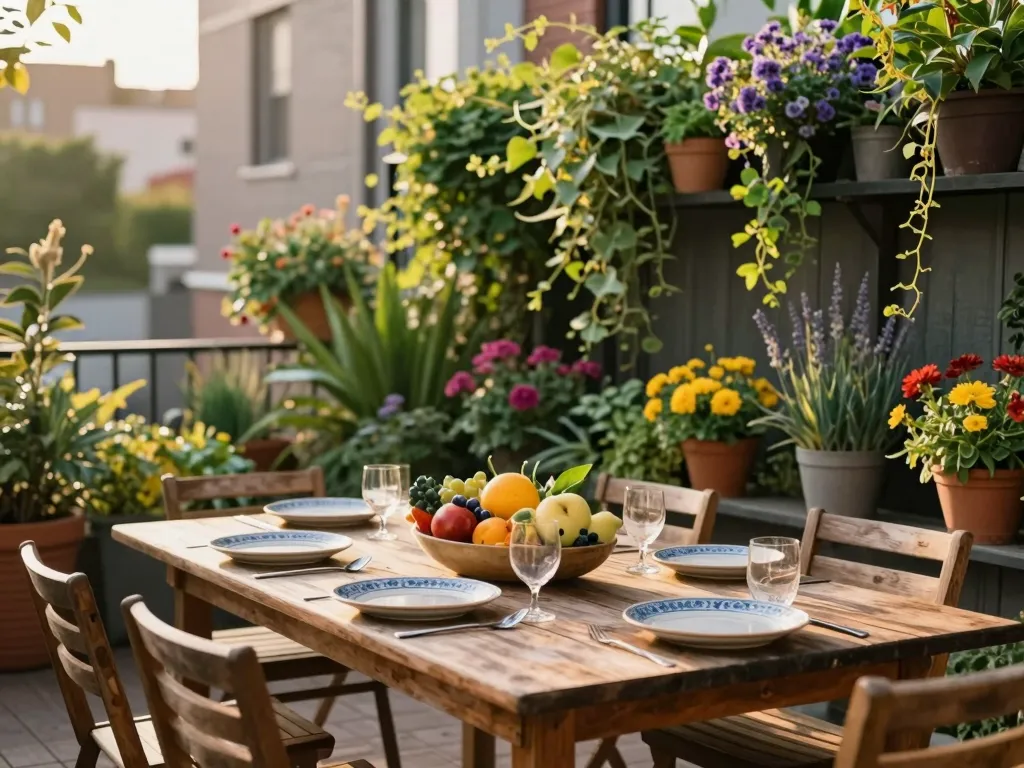
10 Expert Tips for Designing Your Dream Home and Garden

Fundamentals of Home and Garden Design

Designing your home and garden is more than just an aesthetic endeavor; it’s about creating a harmonious environment that reflects personal style while meeting functional needs. Understanding the fundamentals of design allows you to transform spaces into inviting and productive areas.

Understanding Landscape Design Principles

Landscape design is the art of arranging the outside environment to create an aesthetically pleasing and functional area. Key principles include balance, proportion, and unity. Balance, for instance, can be achieved through symmetrical or asymmetrical arrangements of plants and structures. Proportion involves the relationship between different elements, ensuring that larger plants do not overpower smaller ones. Unity ties the design together, creating a cohesive look.

To illustrate, a well-designed garden might feature a pathway that leads to a focal point, such as a statue or a water feature, paired with plantings that complement the overall theme. For example, a Mediterranean garden might incorporate lavender, olive trees, and terracotta pots to create a warm, inviting atmosphere.

  • Balance: Use symmetry for formal gardens and asymmetry for more relaxed, natural settings.
  • Proportion: Choose plants of varying heights and sizes to create visual interest.
  • Unity: Select a color palette or theme that runs through your design.

Choosing the Right Plants for Your Climate

Selecting plants that thrive in your local climate is crucial for a successful garden. Understanding your hardiness zone helps you choose plants that will survive and flourish in your environment. For instance, USDA Hardiness Zones provide a guideline based on minimum winter temperatures, allowing gardeners to select plants that can withstand local conditions.

Consider native plants as they are adapted to the local environment and require less maintenance. For example, if you live in the southeastern United States, incorporating plants like the Eastern Redbud or Southern Magnolia can enhance your garden’s beauty while supporting local wildlife.

  • Research local conditions: Understand soil type, rainfall, and sunlight availability.
  • Choose native species: They require less water and are more resilient to pests.
  • Consider seasonal interest: Select plants that bloom at different times for year-round beauty.

Basic Home Decor Elements That Enhance Space

Home decor is pivotal in creating a welcoming atmosphere. The right elements can dramatically enhance your space. Start with color schemes; colors can influence mood and perception of space. Light colors tend to make rooms feel larger, while darker shades can add warmth and intimacy.

Furniture arrangement is another critical aspect. Arranging furniture to promote conversation and flow can significantly affect how a space is perceived. Additionally, incorporating textures and materials, such as wood, fabric, and metal, adds depth and interest. For example, a room with soft textiles, natural wood accents, and metallic fixtures can create a balanced and inviting space.

  • Color Schemes: Use light colors for small rooms to create the illusion of space.
  • Furniture Arrangement: Ensure pathways are clear and promote interaction.
  • Textures and Materials: Mix different materials for a more dynamic look.

Essential Gardening Techniques for Beginners

Starting a garden can be an incredibly rewarding experience. By understanding essential gardening techniques, beginners can cultivate a flourishing garden that not only beautifies their space but also provides food, herbs, and a sense of accomplishment.

Soil Preparation and Its Importance

Soil is the foundation of any garden, and proper soil preparation is crucial for plant health. Begin by testing your soil to understand its pH and nutrient levels. Many local extension services offer soil testing kits. Based on the results, you can amend your soil with organic matter, such as compost, to improve its structure and fertility.

Here’s a simple step-by-step guide to prepare your soil:

  1. Clear the area of weeds and debris.
  2. Test the soil for pH and nutrients.
  3. Add organic matter like compost or well-rotted manure.
  4. Till or turn the soil to mix amendments evenly.
  5. Level the soil and create planting beds.

Watering Methods and Best Practices

Watering is a fundamental aspect of gardening and can significantly affect plant growth. Understanding the best practices for watering ensures that plants receive adequate moisture without overwatering, which can lead to root rot and other issues. Early morning is generally the best time to water, allowing plants to absorb moisture before the heat of the day evaporates it.

Consider the following watering methods:

  • Drip Irrigation: Efficiently delivers water directly to the plant roots.
  • Soaker Hoses: A great option for garden beds, allowing slow absorption of moisture.
  • Hand Watering: Ideal for small gardens, allowing you to monitor water levels closely.

Introduction to Organic Gardening

Organic gardening emphasizes sustainability and environmental stewardship. This approach avoids synthetic fertilizers and pesticides, opting instead for natural alternatives. Organic gardening not only promotes healthier plants but also creates a safer environment for wildlife and beneficial insects.

Begin your organic garden by following these principles:

  • Soil Health: Focus on building healthy soil through composting and mulching.
  • Pest Management: Use companion planting and natural predators to control pests.
  • Crop Rotation: Rotate crops yearly to prevent soil depletion and reduce pest buildup.

Intermediate Home Improvement Projects

Once you’ve mastered the basics of home and garden design, you may want to tackle more intermediate home improvement projects. These projects not only enhance the functionality of your space but also increase property value.

Creating a Functional Outdoor Living Space

Outdoor living spaces extend your home’s usable area and encourage family gatherings, relaxation, and entertainment. To create a functional outdoor space, start by defining the area with landscaping, patios, or decks. Consider adding comfortable seating and a dining area to make it inviting.

Lighting is also essential; string lights or lanterns can add ambiance for evening gatherings. Incorporate elements like fire pits or outdoor kitchens for added functionality. A well-designed outdoor space can serve as an extension of your home.

  • Define the space: Use landscaping or furniture to create separate areas.
  • Add comfort: Include cushions, rugs, and blankets for a cozy atmosphere.
  • Implement lighting: Use a mix of ambient and task lighting for versatility.

Upcycling Furniture for Home Decor

Upcycling furniture is both an eco-friendly and cost-effective way to revamp your home decor. Transforming old furniture into new, functional pieces not only adds character to your space but also allows for personal expression. Start by choosing pieces that have good bones but might need a little TLC.

For example, an old dresser can be sanded down, painted, and converted into a chic TV stand. Consider these steps for successful upcycling:

  1. Select a piece with potential.
  2. Clean and prepare it for refinishing.
  3. Choose a color or finish that complements your decor.
  4. Consider adding new hardware for a modern touch.
  5. Seal the piece to protect it from wear and tear.

Implementing Smart Home Technology in Your Garden

Integrating smart home technology into your garden can enhance convenience and efficiency. From automated irrigation systems to smart lighting, technology can help streamline maintenance and improve plant care. For instance, smart sprinkler systems can adjust watering schedules based on weather forecasts, conserving water while ensuring plants receive adequate moisture.

Here are some smart gardening technologies to consider:

  • Smart Irrigation Controllers: Adjust watering schedules based on rainfall and humidity levels.
  • Soil Moisture Sensors: Monitor soil moisture levels to prevent overwatering.
  • Smart Garden Lights: Control lighting through an app for outdoor ambiance.

Advanced Landscaping Strategies

For those looking to take their landscaping skills to the next level, advanced strategies can lead to stunning outdoor spaces that are both beautiful and sustainable. These strategies often require in-depth knowledge of plants, environmental considerations, and design principles.

Designing Sustainable Gardens with Native Plants

Sustainable gardening practices emphasize the use of native plants, which are adapted to local conditions and support local ecosystems. Native plants often require less water and maintenance, making them an eco-friendly choice. When designing a sustainable garden, consider incorporating a variety of native species that provide habitat and food for local wildlife.

To create a sustainable garden:

  • Research local flora: Identify native plants that thrive in your area.
  • Diversity is key: Incorporate a mix of plants to support various wildlife.
  • Plan for growth: Consider how plants will grow and change over the seasons.

Integrating Water Features for Aesthetic and Ecological Benefits

Water features can enhance the beauty of your landscape while providing ecological benefits, such as attracting wildlife. Ponds, fountains, and waterfalls can create a focal point in your garden and offer soothing sounds that enhance the outdoor experience. Additionally, water features can support biodiversity by providing habitats for aquatic plants and animals.

When designing a water feature, consider:

  • Size and Scale: Ensure the water feature is proportional to the surrounding landscape.
  • Placement: Position the feature where it can be easily viewed and accessed.
  • Maintenance: Plan for regular maintenance to keep the feature clean and functional.

Advanced Irrigation Systems for Efficient Water Use

Advanced irrigation systems can significantly improve water efficiency in your garden. Drip irrigation and smart irrigation systems can deliver water directly to the roots of plants, minimizing waste. These systems can be programmed to adjust based on weather conditions, ensuring that plants receive just the right amount of water.

Implementing an advanced irrigation system involves:

  1. Assessing your garden layout to determine the best system.
  2. Choosing a system that fits your needs, whether drip, sprinkler, or smart technology.
  3. Installing the system according to manufacturer guidelines.
  4. Regularly monitoring and adjusting settings for optimal performance.

Seasonal Home and Garden Maintenance

Maintaining your home and garden throughout the seasons is essential for preserving their beauty and functionality. Seasonal maintenance tasks help prepare your space for upcoming weather changes, ensuring that both your indoor and outdoor environments remain inviting and healthy.

Preparing Your Home for Seasonal Changes

As seasons change, so do the needs of your home. Preparing your home for seasonal changes can prevent damage and improve energy efficiency. In the fall, for example, it’s essential to clean gutters and check for drafts to keep your home warm during winter. In the spring, consider inspecting your roof and windows for any damage that may have occurred over the winter.

Here are some seasonal preparation tips:

  • Fall: Clean gutters, check insulation, and seal windows and doors.
  • Winter: Ensure heating systems are functioning and check for pipe insulation.
  • Spring: Inspect for winter damage and prepare gardens for planting.
  • Summer: Maintain air conditioning units and prepare for outdoor entertaining.

Seasonal Planting and Harvesting Calendar

Understanding when to plant and harvest is crucial for maximizing your garden’s productivity. Each season presents unique opportunities for planting various vegetables, herbs, and flowers. A planting calendar can help you plan your garden efficiently. For instance, in early spring, you might plant peas, spinach, and onions, while summer is ideal for tomatoes, peppers, and cucumbers.

Consider this seasonal planting guide:

  • Spring: Peas, lettuce, radishes, and carrots.
  • Summer: Tomatoes, peppers, cucumbers, and squash.
  • Fall: Kale, broccoli, and garlic.
  • Winter: Plan for indoor herbs or cold frames for winter crops.

Winterizing Your Garden: Tips and Techniques

Winterizing your garden is essential to protect plants from harsh weather conditions. Preparing your garden for winter involves several steps to ensure its health come spring. Start by trimming back perennials and removing dead foliage to prevent disease. Mulching can provide insulation for roots and help retain moisture.

Follow these steps to winterize your garden:

  1. Clean up debris and fallen leaves to prevent pests.
  2. Cut back perennials and divide overcrowded plants.
  3. Add mulch to protect roots and suppress weeds.
  4. Consider covering delicate plants with burlap or a frost blanket.