
Understanding Eye Health
Eye health is a critical component of overall wellness, impacting not only vision but also quality of life. The importance of regular eye examinations cannot be overstated; they help in early detection of conditions that may lead to irreversible damage. This comprehensive guide provides insights into maintaining healthy eyes, the key treatments available at SNU Eye Clinic, and why choosing our clinic is pivotal for your eye care needs. If you’re seeking to resource learn about eye health, this information will be invaluable.
Importance of Regular Eye Exams
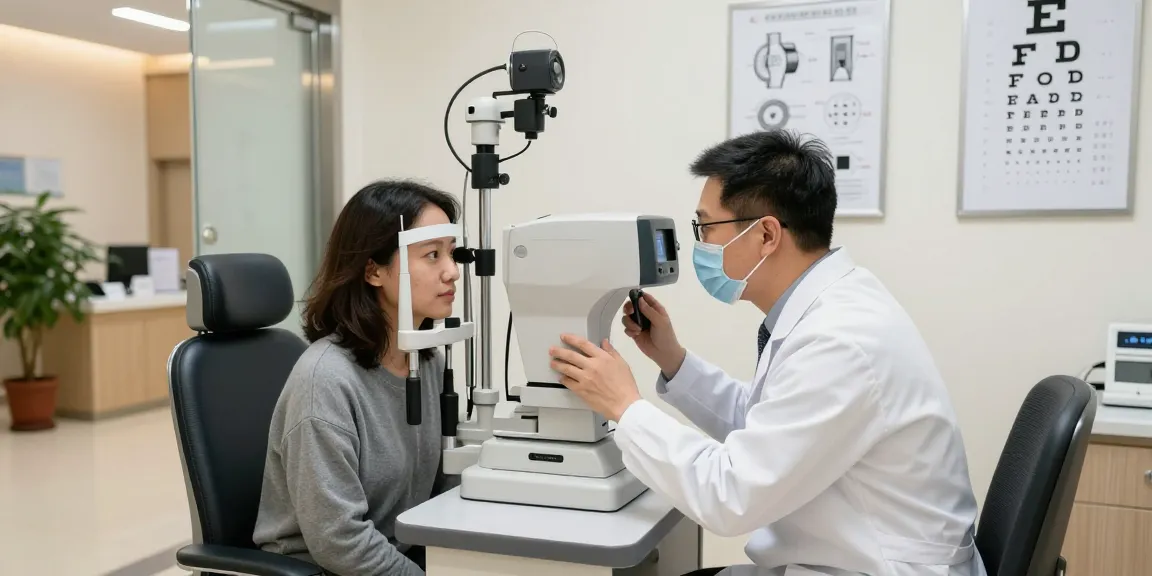
Regular eye exams are essential for detecting common eye conditions such as glaucoma, cataracts, and macular degeneration. Early intervention can prevent these conditions from worsening. Adults should have comprehensive eye exams at least once every two years, while those with risk factors should schedule them annually. During these exams, your eye doctor assesses your vision and overall eye health, measuring intraocular pressure and examining the retina for signs of disease.
Common Eye Conditions and Symptoms
Many people are unaware of the common eye conditions that can affect them. Symptoms like blurry vision, eye strain, and headaches can signal issues requiring professional attention. Common conditions include:
- Myopia (Nearsightedness): Difficulty seeing far objects clearly.
- Hyperopia (Farsightedness): Trouble seeing nearby objects.
- Astigmatism: Distorted vision caused by an irregularly shaped cornea.
- Presbyopia: Age-related difficulty in focusing on close objects.
Impact of Lifestyle on Eye Health
Your daily habits significantly influence your eye health. Prolonged screen time can lead to digital eye strain, characterized by dry eyes, blurry vision, and headaches. Moreover, a diet lacking in essential nutrients such as omega-3 fatty acids, lutein, and vitamins C and E can contribute to age-related eye diseases. Incorporating foods rich in these nutrients can help maintain eye health and prevent serious conditions.
Key Treatments Available at SNU Eye Clinic
At SNU Eye Clinic, we offer a wide range of advanced treatments tailored to individual needs. Our commitment to patient-centric care is reflected in our comprehensive programs, which include detailed assessments and innovative surgery options. Understanding the specifics of vision correction procedures can empower you to make informed choices regarding your eye care.
Overview of Vision Correction Procedures
Vision correction procedures are designed to improve visual acuity using various techniques. The most common procedures include:
- LASIK: A laser procedure that reshapes the cornea to correct refractive errors.
- Photorefractive Keratectomy (PRK): Similar to LASIK but involves the outer layer of the cornea.
- ICL (Implantable Collamer Lens): A lens implanted in the eye to correct vision without changing the cornea.
Details on ICL and Toric ICL Treatments
ICL and Toric ICL treatments are particularly beneficial for patients with high levels of myopia or astigmatism. The ICL procedure involves placing a soft, foldable lens in the eye to provide clear vision while preserving the natural structure of the eye. For patients with astigmatism, the Toric ICL incorporates specific toric features to correct the vision more effectively.
52 Detailed Tests and Their Importance
Our comprehensive program includes 52 detailed tests across seven categories. This thorough examination process ensures that every aspect of your eye health is evaluated, from visual acuity to internal eye pressure. These tests are crucial for identifying potential issues early and customizing treatment plans that cater to your specific needs.
Why Choose SNU Eye Clinic?
Choosing the right eye care provider is critical for ensuring the best outcomes for your vision. SNU Eye Clinic stands out in the realm of eye care for several reasons, making it a trusted choice for patients seeking expert care.
Experience with Over 50,000 Surgeries
With a track record of performing over 50,000 surgeries, our clinic has established a reputation for excellence. This extensive experience translates into outstanding surgical precision and patient safety, ensuring that our team is adept at managing various complexities in eye surgeries.
Personalized 1:1 Vision Correction Approach
At SNU Eye Clinic, we believe in personalized care. Our 1:1 Vision Correction approach means that each patient receives tailored treatment plans based on their unique vision needs and lifestyle considerations. This personalized attention helps improve overall satisfaction and outcomes.
Advancements in Eye Care Technology
We utilize the latest advancements in eye care technology, including advanced diagnostic tools and minimally invasive surgical techniques. This commitment to innovation not only enhances the quality of care but also reduces recovery time, allowing patients to return to their daily activities sooner.
Preparing for Your Visit
Preparation is key to a successful visit to our clinic. Understanding what to expect can alleviate anxiety and ensure you get the most out of your consultation.
What to Expect During Your Consultation
During your first visit, you will undergo a comprehensive eye examination that includes visual tests, eye pressure measurements, and a thorough assessment of your eye health history. This initial consultation is crucial for determining the most appropriate treatment options for you.
Financial Options and Insurance Information
We understand that cost can be a significant concern for many patients. SNU Eye Clinic offers various financial options and accepts several insurance plans to make eye care more accessible. Be sure to discuss your options with our financial coordinator during your visit.
Follow-up Care and Recovery Tips
Post-operative care is essential for optimal recovery. Our team provides detailed instructions for follow-up care to ensure your healing process is smooth. Engaging in proper aftercare, such as avoiding strenuous activities and following prescribed eye drops, can significantly impact the success of your treatment.
Future Trends in Eye Care (2026 and Beyond)
The field of eye care is rapidly evolving, with numerous innovations on the horizon that promise to change how we approach eye health.
Innovations in Eye Surgery
Emerging technologies, such as femtosecond laser-assisted surgery, offer greater precision and reduced recovery times. These advancements are expected to become standard practice in the coming years, further enhancing patient outcomes.
Emerging Research and Developments
Research in ocular diseases is advancing, with new treatments for age-related macular degeneration and diabetic retinopathy showing promise. Clinical trials conducted worldwide will shape the future landscape of eye treatments over the next several years.
Shifting Patient Expectations and Experiences
Patients are becoming more informed and engaged in their healthcare decisions, leading to a demand for transparency and personalized care. Eye clinics will need to adapt to these changing expectations by offering comprehensive educational resources and tailored treatment options.
What is the difference between ICL and LASIK?
ICL involves the surgical implantation of a lens inside the eye, while LASIK reshapes the cornea using a laser. ICL is often preferred for those with thin corneas or high degrees of myopia, whereas LASIK is suitable for many patients with mild to moderate refractive errors.
How often should I have my eyes examined?
Adults should have eye exams every two years if they are under 60 and annually if they are 60 or older. Those with vision problems or risk factors should consult their ophthalmologist for a tailored exam schedule.
What should I bring to my eye exam?
Be sure to bring your current eyewear, a list of medications, and any relevant medical history. Having this information readily available will help your eye care provider assist you more effectively.
Are there specific diets that promote eye health?
Yes! Diets rich in antioxidants, omega-3 fatty acids, and vitamins C and E can promote eye health. Consider incorporating foods such as leafy greens, fish, nuts, and citrus fruits into your diet to help maintain optimal vision.
What advancements can we expect in eye care technology?
Future advancements may include AI-driven diagnostics and personalized treatment plans based on genetic profiles. As technology evolves, we anticipate a more proactive and preventative approach to eye health management.